
Ongoing projects
| Title | In vivo imaging of blood flow dynamics and cell migration in tumour microvasculature via real-time single nanoparticle tracking with positrons (NanoFLOW) | 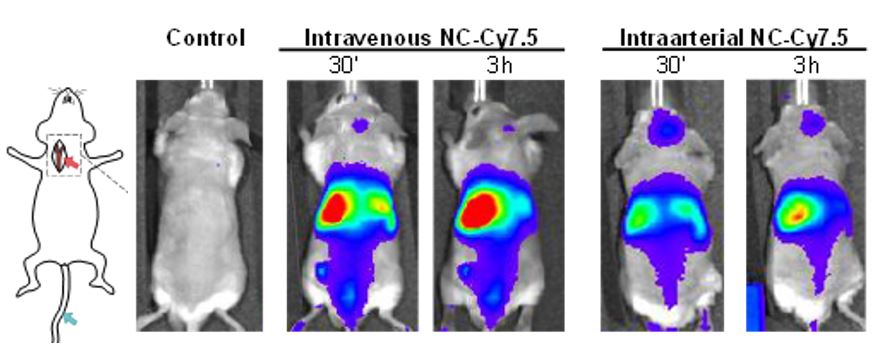 |
| Reference | ERC Consolidator Grant 2025 | |
| PI | Juan Pellico | |
| Starting date | 1 June 2026 | |
| Finishing date | 31 May 2031 | |
| Funding | European Research Council (ERC) | |
| Description |
The tumour microvasculature consists of a disorganised network of immature blood vessels with aberrant dynamics and high permeability, which play a critical role in tumour growth, metastasis, and resistance to therapy. Despite its importance, studying blood flow dynamics and cell migration within this environment remains challenging due to the microvasculature's complexity, minute size, and structural irregularities. NanoFLOW aims to bridge this gap by integrating finely tuned single nanoparticle-based nanomedicines with advanced imaging technology. This project has four main objectives:
By addressing critical challenges in the application of nanomedicines, NanoFLOW will provide ground-breaking insights into tumour progression and metastasis, redefining the boundaries of nanomedicine and setting a new benchmark in cancer imaging and diagnostic precision with far-reaching implications for related fields including drug delivery, molecular imaging and image-guided therapy. |
| Title | Transforming pneumonia therapy: miRNA-nanocarriers for immunomodulation and lung repair (Carri-Air) |
| PI | Juan Pellico. Coordinated by Aina Areny Balagueró, Fundació Institut d'Investigació i Innovació Parc Taulí (I3PT). |
| NN Research team | Juan Pellico, Anna Solé, Anna Roig |
| Starting date | 15 April 2026 |
| Finishing date | 31 March 2029 |
| Funding | Fundació La Marató |
| Description |
Pneumonia remains a leading cause of morbidity and mortality worldwide. According to the 2021 Global Burden of Diseases, its annual incidence reaches 344 million cases, causing 2.2 million deaths. Pneumonia often progresses to Acute Respiratory Distress Syndrome (ARDS). Current treatments, including antibiotics, antivirals or supportive treatment, face significant limitations such as antimicrobial resistance and the lack of therapies addressing the regeneration of the acute lung injury induced by pneumonia. Carri-Air proposes an innovative therapeutic strategy based on PLGA nanocapsules designed to deliver three immunomodulatory and regenerative miRNAs, directly to the lungs, via inhalation, named here as nanocapsules for pneumonia (N4P). Building on our consortium’s previous research and patented findings, Carri-Air aims to provide an effective alternative to current pneumonia treatments, reducing hospital stays, mechanical ventilation dependency, and AMR-related complications. By restoring immune homeostasis, enhancing pathogen clearance and promoting lung regeneration, N4P will offer an innovative therapeutic approach for pulmonary infections and ARDS, paving the way for future miRNA-based nanomedicines. |
| Title | Impact of precise dosing of exceedingly high specific activity long circulating radiolabelled nanoparticles on their pharmacokinetics and tumor targeting efficacy (NanoACCURATE) | |
| Reference | PID2024-155894OA-I00 | |
| PI | Juan Pellico | |
| Starting date | 1 Sept 2025 | |
| Finishing date | 31 August 2028 | |
| Funding | MINISTERIO DE CIENCIA, INNOVACIÓN Y UNIVERSIDADES PROYECTOS DE GENERACIÓN DE CONOCIMIENTO 2024 | |
| Description |
Radiolabelled nanoparticles (NPs) emerged as a promising solution to overcome the key limitations of traditional molecular-based radiopharmaceuticals, including rapid clearance, limited specificity, and poor targeting efficiency. Over the past two decades, radiolabelled NPs have demonstrated significant potential in advancing cancer imaging and therapy. However, critical challenges persist, such as high accumulation in organs of the mononuclear phagocytic system (MPS), inconsistent tumour uptake via the enhanced permeability and retention (EPR) effect, and a lack of precision in patient dosimetry. NanoACCURATE addresses these challenges by systematically investigating the influence of NP dose on pharmacokinetics, biodistribution, and EPR-driven tumour targeting. |
| Title | Single particle real-time tracking with positrons in cardiovascular diseases | |
| Reference | RYC2023-043157-I | |
| PI | Juan Pellico | |
| Starting date | 1 Jan 2024 | |
| Finishing date | 31 December 2029 | |
| Funding | Ministerio de Ciencia e Innovación. Ramón y Cajal 2023 with talent attraction | |
| Description |
Positron Emission Particle Tracking (PEPT) is a high-resolution imaging technique that tracks the trajectory of a single radiolabelled particle in 3-D using positron annihilation events. Currently, PEPT is restricted to industrial applications such as the evaluation of particle-fluid or particle-particle interactions in the pharmaceutical, chemical, consumer goods, oil and mining industries among others. The successful implementation of PEPT in biomedicine faces one significant challenge. This involves synthesising, radiolabelling, and isolating a single biocompatible nanoparticle with optimal physicochemical and mechanical properties to circulate for long time in blood, and with sufficient radioactivity to generate a signal detectable upon PET imaging. The aim of this project is to overcome these barriers and implement PEPT in biomedicine to study for first time, in real time and whole-body, the dynamics of blood flow in cardiovascular diseases with unprecedented spatiotemporal resolution, and in a quantitative manner.
|
| Title | Engineering BioActivity in Bacterial Cellulose (BACtive) | |
| Reference | PID2024-157637OB-I00 | |
| PI | Anna Roig, Anna Laromaine | |
| Starting date | 1 Sept 2025 | |
| Finishing date | 31 August 2028 | |
| Funding | MINISTERIO DE CIENCIA, INNOVACIÓN Y UNIVERSIDADES PROYECTOS DE GENERACIÓN DE CONOCIMIENTO 2024 | |
| Description |
BACtive aims to develop innovative bioactive materials using bacterial cellulose (BC), a highly versatile and sustainable natural polymer with exceptional biomedical potential. This project aligns with pressing societal challenges, including promoting sustainable bioeconomy practices and addressing critical health issues such as 3D cell culture, antimicrobial resistance, and the need for advanced tissue engineering solutions. The project has three specific objectives:
These living BC composites aim to address vaginal dysbiosis and skin infections by leveraging the therapeutic benefits of encapsulated bacteria in controlled, prolonged-release systems. BACtive methodology combines BC biosynthesis, functionalization, and advanced characterization techniques. In vitro and in vivo models, including Caenorhabditis elegans will be used to evaluate the bioactivity, biocompatibility, and therapeutic potential of the materials. |
| Title | Multicatalytic Nanozymes for the Treatment of Fatty Liver Disease and Liver Cancer: An Integrated, Versatile Single-Treatment Approach (LiverZymes) |
| Reference | RYC2024-048288-I |
| PI | Muling Zeng |
| Starting date | 1 January 2026 |
| Finishing date | 31 December 2030 |
| Funding | Ministerio de Ciencia e Innovación (Ramón y Cajal 2025) |
| Description | LiverZymes aims to address long-term challenges in MASLD and HCC by developing multi-catalytic NZs that overcome the limitations of traditional treatments, such as poor stability, short half-life, and low bioavailability. |
| Title | Ayudas Atracción de Talento CSIC-2024 |
| Reference | P174 |
| PI | Muling Zeng |
| Starting date | 1 January 2026 |
| Finishing date | 31 December 2028 |
| Funding | Ministerio de Ciencia e Innovación (CSIC) |
| Title | Creació d'una spin-off |
| Reference | 2023INNOV00044 |
| PI | Anna Roig |
| NN research team | Anna Roig and Thomas Meslier |
| Starting date | 1 June 2024 |
| Finishing date | 1 December 2025 |
| Funding | Generalitat de Catalunya-AGAUR Programa Innovadors (Transferencia de Tecnología) |
| Title | AdG 2023 NASH-nano |
| Reference | AGAIN24006 |
| PI | Anna Roig |
| Starting date | 1 January 2024 |
| Finishing date | 31 December 2026 |
| Funding | CSIC-AGAIN-Plan de Acción Pro-ERC (2024-2026) |
| Description | Concesión de distintivos al personal investigador del CSIC cuyas propuestas ERC presentadas con el CSIC como Host Institution han sido valoradas positivamente en el proceso de evaluación de la ERCEA (the ERC Executive Agency) pero no reciban financiación, ni puedan optar a ayudas de la AEI u otras entidades financiadoras. |
| Title | Materiales para tratamientos oftalmológicos (MAT-OFTAL) |
| PI | Anna Roig |
| NN research team | Anna Roig and Thomas Meslier |
| Starting date | 1 January 2024 |
| Finishing date | 30 June 2025 |
| Funding | CSIC-Programa IMPULSA-T |
| Title | Administració endovascular de nanomaterials terapèutics per a la recuperació de l’ictus (End-STROKE) | |
| Reference | 202333-30-31 | |
| PI | Anna Roig, Coordinadora: Anna Rosell, Hospital Universitari Vall d’Hebron, Institut de Recerca | |
| NN research team | Anna Solé, Anna Roig | |
| Starting date | 1 January 2024 | |
| Finishing date | 31 December 2026 | |
| Funding | Fundació La Marató | |
| Description | L’ictus es produeix quan un coàgul de sang bloqueja una artèria cerebral (ictus isquèmic) provocant la mort cel·lular en àrees específiques del cervell quan no s’ha pogut reestablir el flux sanguini ràpidament. A Europa hi han 650.000 víctimes mortals per ictus cada any i 1 milió de supervivents tenen alguna discapacitat. Tanmateix, els únics tractaments disponibles són els trombolítics amb activador de plasminogen tissular per dissoldre el coàgul o tractaments endovasculars per a la seva extracció mecànica. Aquests tractaments que salvaven moltes vides s’han de rebre durant les primeres hores després de l’aparició dels símptomes, i només es poden tractar al voltant d’un 15% dels ictus totals. Per tant, hi ha la necessitat d’investigar nous tractaments per recuperar pacients amb ictus, protegint el cervell o reparant el teixit danyat. I és en aquest context que les noves intervencions endovasculars podrien ser molt útils. A End-Stroke proposem aprofitar aquest procediment clínic per investigar l’administració de nanomaterials per a la recuperació dels teixits afectats per tal de millorar el lliurament i arribada dels agents terapèutics al cervell. |
| Title | Novel nanoheterostructures for the exploitation of magneto- and photo-hyperthermia in wireless power transfer technologies and its aplication in energy and catalysis (HYPE-POWER) | 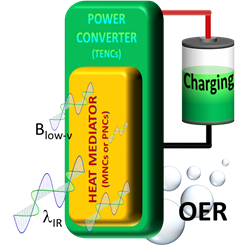 |
| Reference | CNS2022-135583 | |
| PI | Pablo Guardia | |
| NN research team | Roger Morales, Xuesong Zhang | |
| Starting date | 1 September 2023 | |
| Finishing date | 31 August 2025 | |
| Funding | Ministerio de Ciencia e Innovación | |
| Description | Electromagnetic (EM) Wireless Power Transfer (WPT) technologies provide excellent contact-less charging solutions to encapsulated devices. EM WPT has been exploited to power or charge active Implantable Medical Devices (IMDs) but with some limitations and drawbacks. HYPE-POWER project aims at developing a disruptive WPT technology exploring the well-known process of hyperthermia local heating. Hyperthermia (magnetic and photonic) would provide real solution for the current limitations of EM WPT as heat mediators (magnetic or plasmonic nanocrystals) are able to convert a radiation into heat. The disruptive idea of HYPE-POWER is to transform this local heat into voltage by using a power converter: a thermoelectric material. Thus, HYPE-POWER concept pivots around the combination of hyperthermia and thermoelectricity to transform electromagnetic radiation into energy by a sequential two-step approach. In that context, the challenge of the project is developing a module able to: i) induce a local heat through the HY effect and ii) transform a local temperature gradient into a voltage. This is addressed by designing novel multifunctional nanostructured composites showing magnetic or plasmonic properties in concomitance with thermoelectric ones. Among the different objectives of the project, HYPE-POWER will develop magnetic, plasmonic and thermoelectric nanocrystals and thin films out of them. Advanced nanoheterostructures showing magnetic and thermoelectric or plasmonic and thermoelectric properties will be also developed. The efficiency of HYPE-POWER technology will be explored in two applications dealing with green fuel production and battery charging. |
| Title | Nanoparticle and Nanocomposites Group (NN) | 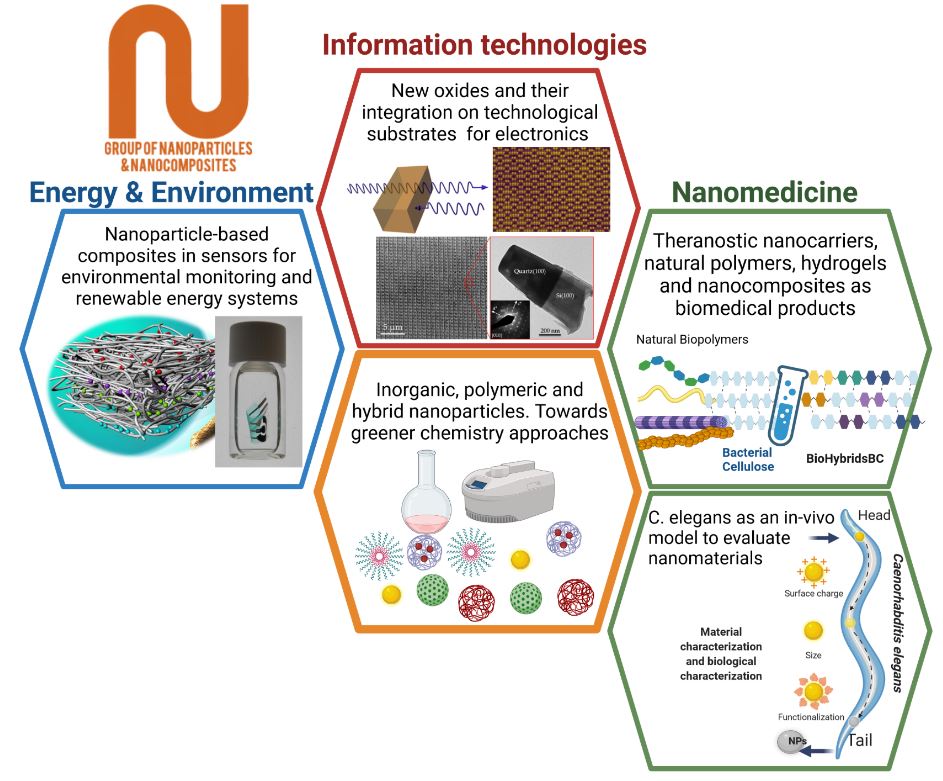 |
| Reference | 2021 SGR 00446 | |
| PI | Anna Roig | |
| NN research team | Entire NN Group | |
| Starting date | 1 January 2023 | |
| Finishing date | 31 December 2026 | |
| Funding | Generalitat de Catalunya | |
| Description | The Nanoparticles and Nanocomposites Group (NN)is an interdisciplinary group with diverse research interests but with a main focus on the rational synthesis of application-oriented nanomaterials, being nanoparticles the major interest, and the study of their structural-functional properties including those related to the nano/bio-interfaces. The NN vision is to advance towards incorporating new nanomaterials in sectors such as Nanomedicine (AR, AL, PG), Information Technologies (MG), or Energy and Environment (PG, AR). To reach higher TRL levels we foster the collaboration with other groups with complementary expertise or closer to the final application as well as with end users and clinicians. In these collaborations the NN group contributes in the provision of exquisitely tuned materials for each application. |
| Title | Upcycling Organic Waste into Carbon-based Functional Inks for Environmental Sensing and Smart Textiles (UPCYCLING-NOW) | 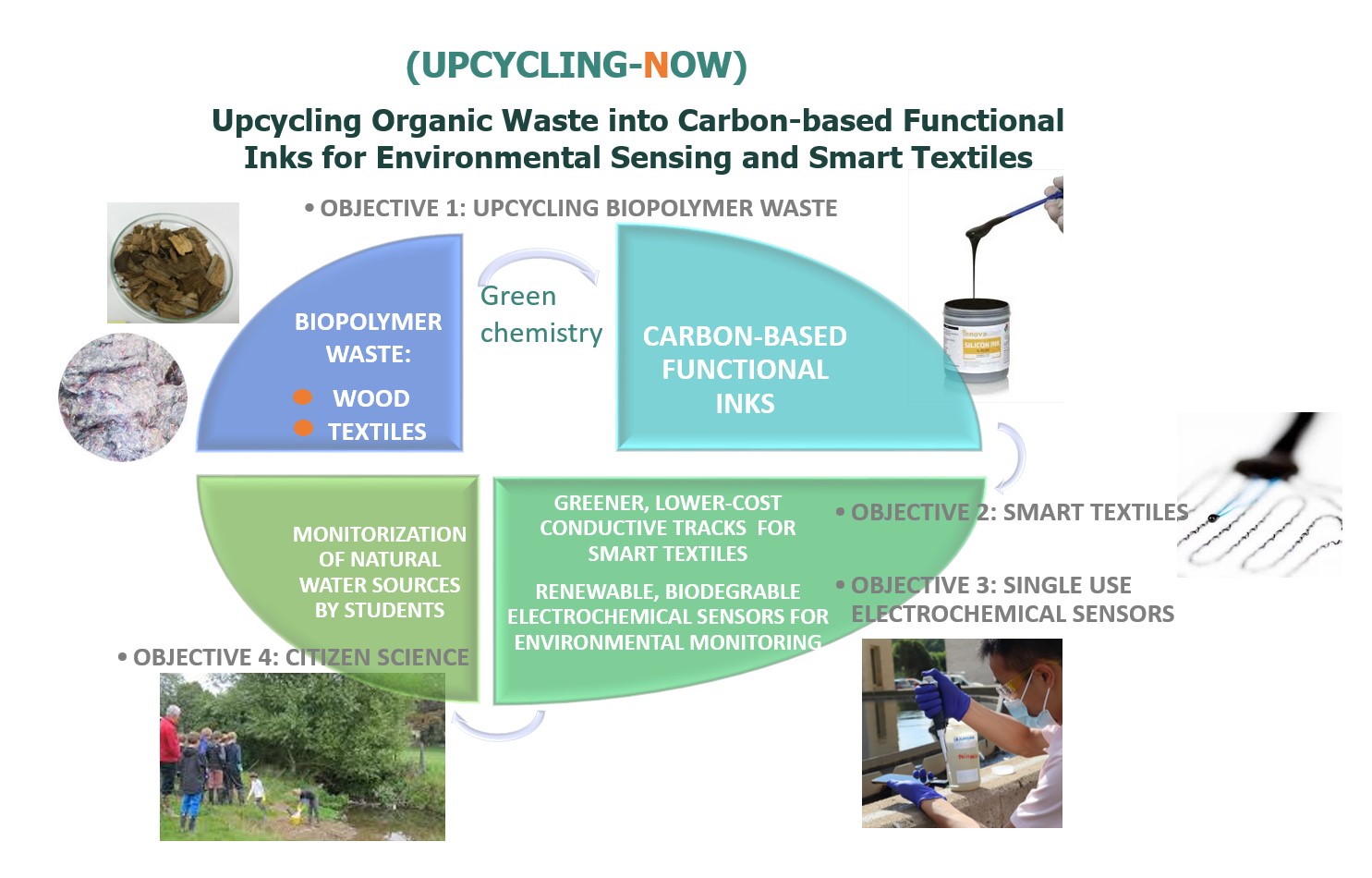 |
| Reference | TED2021-130819B-I00 | |
| PI | Martí Gich/César Fernández-Sánchez (IMB-CNM-CSIC) | |
| NN research team | Joaquín Laorden, Pablo Guardia, Anna Roig, Martí Gich | |
| Starting date | 1 December 2022 | |
| Finishing date | 30 July 2025 | |
| Funding | Ministerio de Ciencia e Innovación | |
| Description |
Low-cost, large-surface printing technologies to fabricate all sorts of electronic devices is an extremely dynamic field with many prospects in mid-term. A current barrier for the materialization of mass-consumer applications is the excessive cost of conductive inks based on metals or carbon nanomaterials. A strategy for solving this problem which is in line with the shift to circular economy is using inexpensive waste feedstocks while trying to reduce the energetic budget in the ink production processes. The vision of UPCYCLING-NOW is exploiting environmentally-friendly approaches to develop innovative inks for printed electronics by upcycling biopolymer waste. The aim is transforming biopolymers into carbon materials by means of energy efficient processes. In particular, we focus on cotton, a natural fiber widely used in textiles and on woody biomass, which is another biopolymer waste of relevance in the Spanish context. Two strategies will be followed to achieve the carbonization of these materials at lower temperatures and/or in faster processes: i) hydrothermal/solvothermal processing and ii) catalyzing the chemical transformations needed for the reduction of organic matter with the presence of metal nanoparticles. We will combine these green chemistry strategies with standard pyrolysis in inert atmosphere at high temperatures which yields highly conductive graphitic materials. This will allow comparing the different process to evaluate its potential for reducing the energy consumption of the overall process. With the upcycled carbon materials we will prepare inks that will be assessed in two specific applications. On the one hand we will try to provide a proof of concept on their potential in the sector of smart textiles. On the other hand, we will produce single-use biodegradable electrodes for monitoring water contamination with a simple onsite electrochemical sensing techniques. Finally, we will use these sensors for analyzing water eutrophication as an educational tool to set the basis for a communication and outreach initiative to be fully developed beyond the scope of the project. |
| Title | Magnetic multifunctional ferroics for a sustainable data-driven society (MAGMUF) | 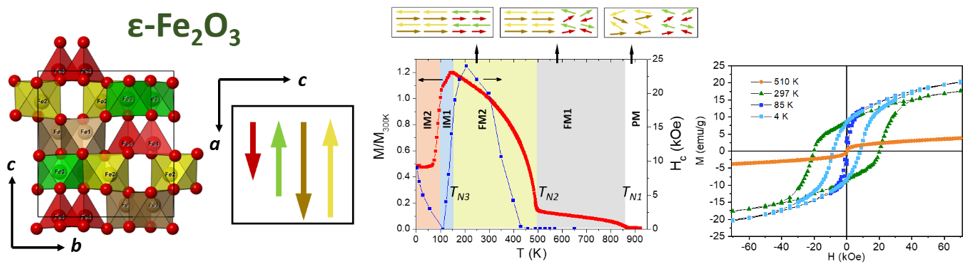 |
| Reference | PID2021-124734OB-C22 | |
| PI | José Luis García-Muñoz/Martí Gich | |
| NN research team | Nico Dix, Naureen Khanam, Darla Mare, Martí Gich | |
| Starting date | 1 September 2022 | |
| Finishing date | 31 August 2025 | |
| Funding | Ministerio de Ciencia e Innovación | |
| Description |
MAGMUF aims at developing magnetoelectric multiferroics with strong coupling even above room temperature, which could enable fast, energy- and cost-efficient devices to revolutionize Information Technologies (IT). The project focuses on New spin induced magnetoelectric (ME) multiferroics (MFs), some encouraging families of ferroic Fe-based oxides presenting rather unique magnetic phases at ambient temperatures. This is in particular the case of ε-Fe2O3, displaying a huge coercivity (20 kOe) and one of the few room-temperature magnetoelectric multiferroics. However, many central aspects of the physics of ε-Fe2O3 are still not well understood and the potential of the ε-MxFe2-xO3 ferrites remains almost unexplored. The project also focuses on the magnetization reversal induced by electromagnetic waves which can either excite magnetic resonances and natural frequencies of phonons or magnons which typically are in the THz range. This project is in collaboration with Prof. José Luis Garcia Muñoz (Co-PI of MAGMUF) from CMEOS group at ICMAB (https://cmeos.icmab.es). |
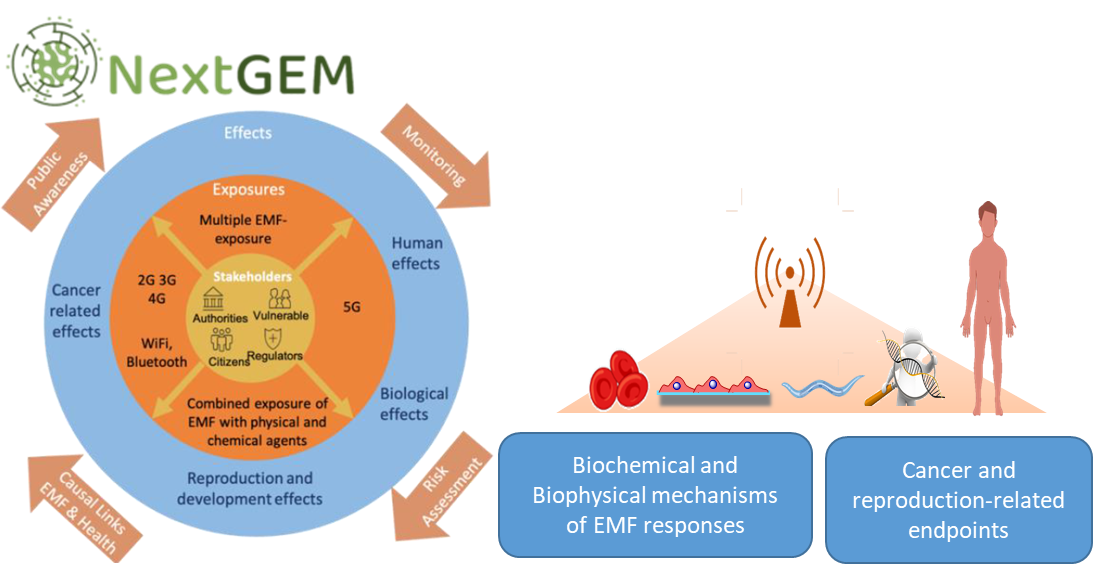
| Title | Next Generation Integrated Sensing and Analytical System for Monitoring and Assessing Radiofrequency Electromagnetic Field Exposure and Health (NextGEM) |
 |
| Reference | HORIZON-HLTH-2021-ENVHLTH-02 | |
| PI | Anna Laromaine | |
| NN research team | Martí Gich, Pol Alonso, Nico Dix, Amanda Muñoz, Carlos López, Daniel Rodríguez | |
| Starting date | 1 September 2022 | |
| Finishing date | 31 August 2026 | |
| Funding | European Commission, call Exposure to electromagnetic fields (EMF) and health” (HORIZON-HLTH-2021-ENVHLTH-02-01) | |
| Website | ||
| Partners | ||
| Description |
Electromagnetic fields (EMFs) produced by man-made devices are all around us. Especially with the next generation of radiofrequency EMFs, further investigations regarding EMF and possible health risks are required. In this context, the EU-funded NextGEM project will generate relevant knowledge of EMF exposure in residential, public, and occupational settings. The project will design a new framework for generating health-relevant scientific knowledge and data on new scenarios of exposure to EMF in multiple frequency bands. Its aim is to provide a healthy living and working environment under safe EMF exposure conditions |
| Title | Biobased Soft Functional Nanocomposites For Tissue Regeneration (BIO-SOFTREGE) | 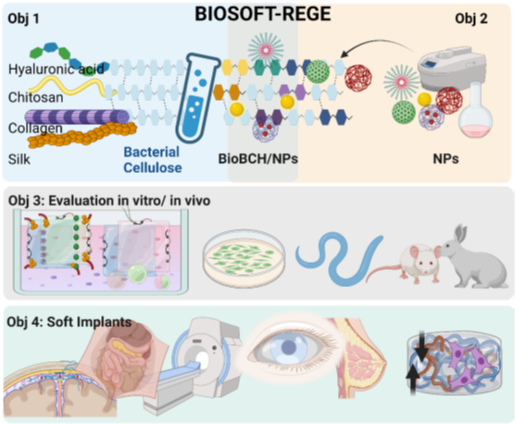 |
| Reference | PID2021-122645OB-I00 | |
| PI | Anna Roig, Pablo Guardia | |
| Starting date | 1 September 2022 | |
| Finishing date | 28 February 2026 | |
| Funding | Spanish Ministry of Science and Innovation, Convocatoria 2021 - «Proyectos de Generación de Conocimiento» | |
| Description | THE MAIN OBJECTIVE OF BIOSOFT-REGE is to design sophisticated natural hydrogels and NPs systems displaying a variety of shapes, topographies, and porosities encompassing features such as biocompatibility, biointegrability in different parts of the body (internally or externally), stimuli responsiveness, or programmed biodegradation profiles while being mechanically compliant. To achieve this endeavor, we will explore bacterial cellulose in combination with other natural polymers, protein-based materials such as silk and collagen, and polysaccharides such as cellulose, hyaluronic acid, and chitosan, together with selected inorganic functional NPs. |
| Title | Synthesis and Characterization of nanocrystals and nanocomposites for biomedicine and catalysis |
| Reference | RYC2019-028414-I |
| PI | Pablo Guardia |
| Starting date | 1 April 2021 |
| Finishing date | 1 March 2026 |
| Funding | Ministerio de Ciencia e Innovación (Ramón y Cajal 2019) |
| Description | Development of novel nanocrystals and nanostructures produced from bottom-up approaches. In particular, hydrothermal or micro-wave assisted syntheses of metal, metal-alloys, metal-oxides and metal-chalcogenide materials aiming applications in biomedicine, catalysis and energy. |
| Title | Ferrites-by-design for Millimeter-wave and Terahertz Technologies (FeMiT) | 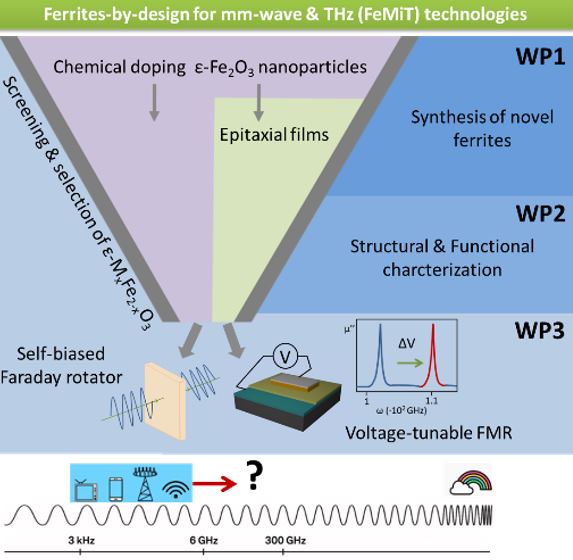 |
| PI | Martí Gich | |
| NN research team | Nico Dix, Naureen Khanam, Darla Mare, Vinod VK Thalakktukalathil, Martí Gich | |
| Starting date | 1 May 2019 | |
| Finishing date | 30 April 2025 | |
| Funding | European Research Council | |
| Description |
Robust disruptive materials will be essential for the “wireless everywhere” to become a reality. This is because we need a paradigm shift in mobile communications to meet the challenges of such an ambitious evolution. In particular, some of these emerging technologies will trigger the replacement of the magnetic microwave ferrites in use today. This will namely occur with the forecasted shift to high frequency mm-wave and THz bands and in novel antennas that can simultaneously transmit and receive data on the same frequency. In both cases, operating with state-of-the-art ferrites would require large external magnetic fields incompatible with future needs of smaller, power-efficient devices. The objective of FeMiT is developing a novel family of orthorhombic ferrites based on ε-Fe2O3, a room-temperature multiferroic with large magnetocrystalline anisotropy. Those properties and unique structural features make it an excellent platform to develop the sought-after functional materials for future compact and energy-efficient wireless devices. In FeMiT we are exploring the limits and diversity of this new family by exploiting rational chemical substitutions, high pressures and strain engineering. For that we are using soft chemistry and physical deposition methods. We characterize functional properties and selection of the best candidates to be integrated in composite and epitaxial films suitable for application. The expected outcomes are proof-of-concept self-biased or voltage-controlled signal-processing devices with low losses in the mm-wave to THz bands, with high potential impact in the development of future wireless technologies. |
Finished projects
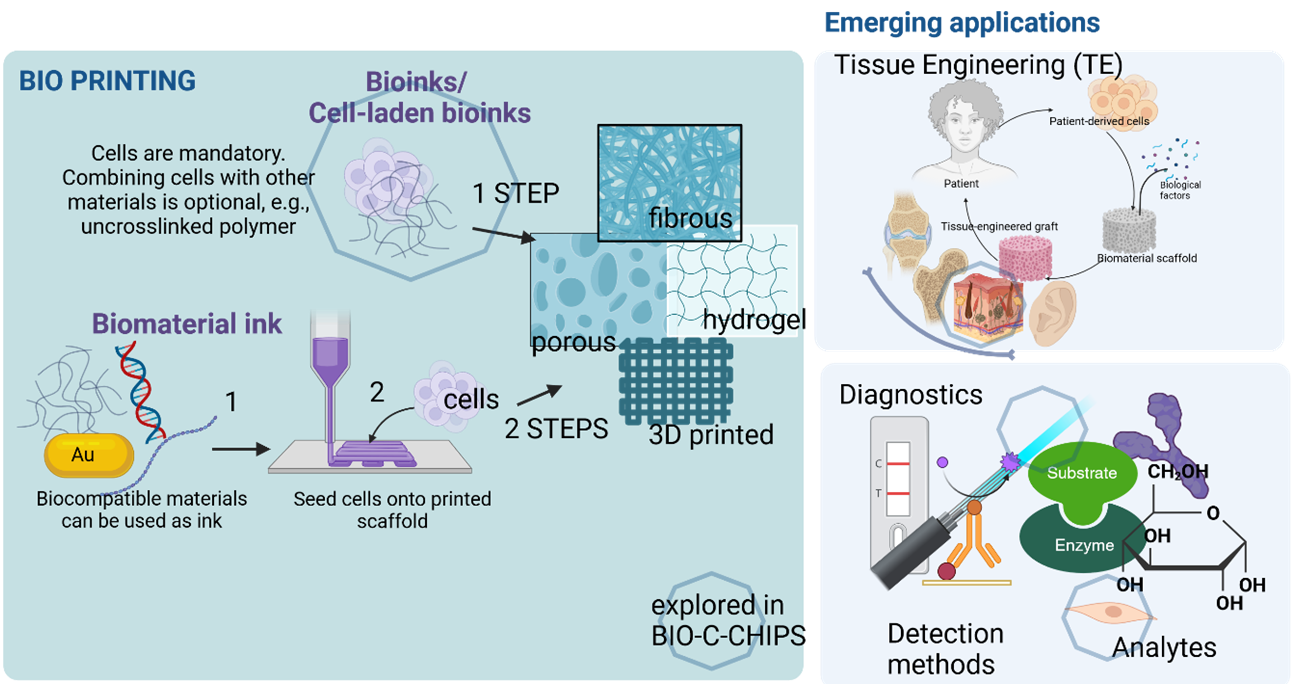
- Title: Valorizing cell-laden BIObased Cellulose inks producing demonstrators-proof of concepts for epithelial regeneration and photonic sensing (BIO-C-CHIP)
- Reference: PDC2023-145826-I00
- PI: Anna Laromaine
- Research team: Anna Roig, Sergi Diaz, Nicole Jimenez, Marc Martinez (NN Group); Carlos Garcia, Ana Iglesias Mejuto, Maria Carracedo (Univ. Santiago Compostela); and Alexandre Moreno, Xavi Muño (IMB-CNM)
- Starting date: 1st January 2024
- Finishing date: 31st December 2025
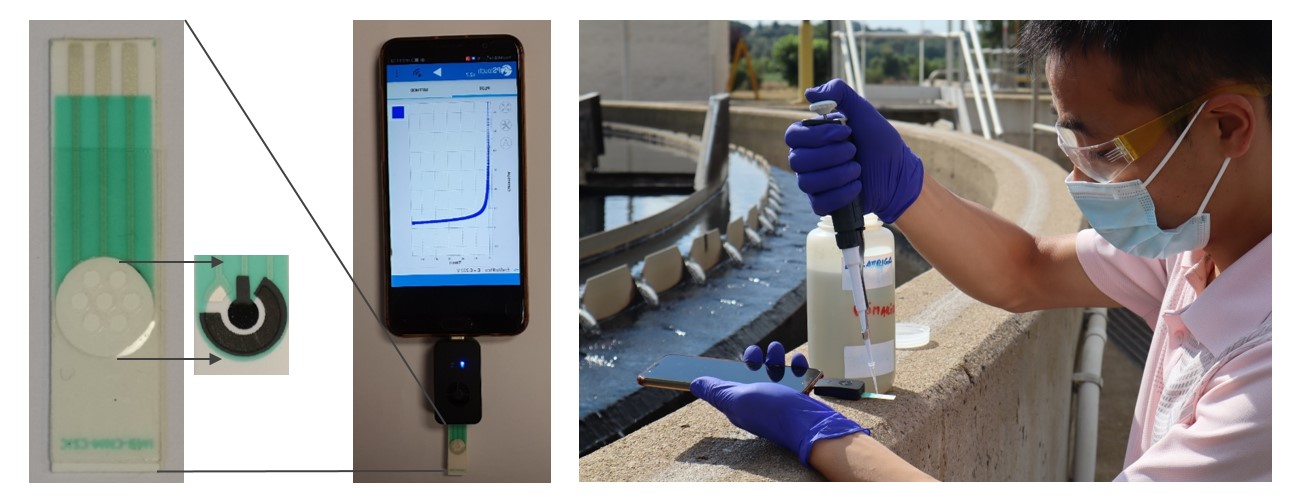
- Title: Compact ready-to-use electrochemical sensor devices for cost-effective on-site analysis of water contaminants (CONTASENS)
- Reference: 2021 PROD 00116
- PI: César Fernández-Sánchez (IMB-CNM-CSIC)
- NN research team: Mabel Torrens, Martí Gich
- Starting date: 19th October 2022
- Finishing date: 18th April 2024
- Funding: GENERALITAT CATALUNYA-AGAUR Programa Producto (Transferencia de Tecnología)
Short description: Water pollution is an increasing global concern. It has strong implications in human health, aquatic ecosystems, and economic growth. Frequent and timely water monitoring are key to control contamination outbreaks but can be seldom carried out because current analytical methods require bulky costly instrumentation implemented in centralized laboratories and manipulated by highly qualified personnel. The sampling collection, stabilization and transport make the cost-per-analysis hardly affordable, especially in low-income countries.New analytical tools using cost-effective electrochemical methods can detect water pollutants in a faster and more user-friendly manner using compact low-power instrumentation. Despite an abundant scientific literature following this approach, the translation into a commercial product is still challenging. This is because several manual steps are needed to obtain reliable measurements, making in-field testing less convenient. In a recently patented development, our team (collaboration with Dr. César Fernández Sánchez at the Chemical Transducers Group at IMB-CSIC (http://gtq.imb-cnm.csic.es/en) has made a step-forward towards portable ready-to-use electrochemical sensors to analyze water pollutants which can be operated by non-experts, just requiring a simple addition of the sample. The potential of our technology is backed by the successful analysis of Chemical Oxygen Demand (COD), used as an indicator of water organic load, with a sensor prototype in an operational environment like a wastewater treatment plant.
CONTASENS aims at increasing the TRL of our proprietary technology and accelerating the path towards commercialization of a product for the sustainable management of water and sanitation and efficient use of natural resources.
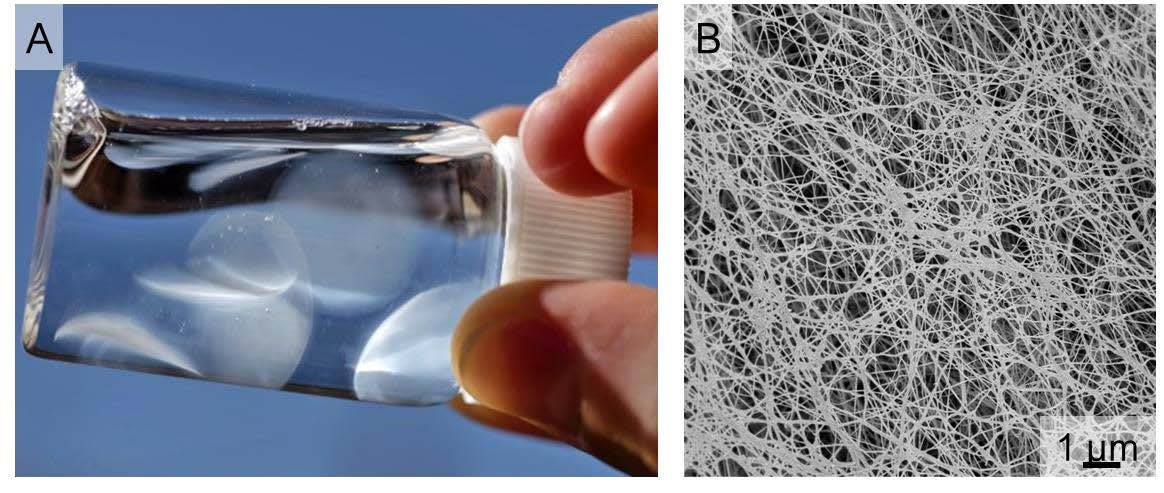
- Title: Natural polymer for the treatment of corneal pathologies (HEALTHY CORNEA)
- Reference: 2021 PROD 00204
- PI: Anna Roig, Justin Christopher D'Antin from the Opthalmology Center Barraquer
- NN research team: Thomas Meslier, Anna Laromaine, NN Group and Victor Charoenrook, Gemma Julio and Professor Rafael I Barraquer, Barraquer Center
- Starting date: 19th October 2022
- Finishing date: 18th July 2024
- Funding: Generalitat de Catalunya
Short description: The main objective of HEALTHY CORNEA is the use of bacterial cellulose to treat eye pathologies. The main challenge is to reach a human study within the project timeframe. HEALTHY CORNEA team is participated by ICMAB and the Ophthalmology Center Barraquer to work hand in hand. Pau Turon, Vice-President of R&D of the B.Braun Group will act as the industrial mentor. The proposal has also been given the support of an association related to ophthalmologic diseases.
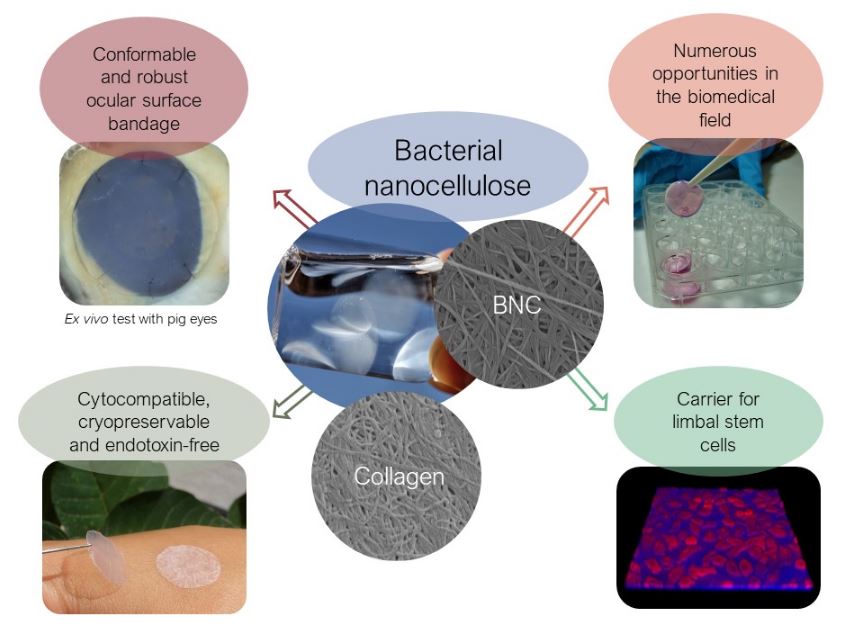
- Title: Bioactive Bacterial Cellulose for Corneal Translational Medicine (CORNEAL-TRANSMED)
- Reference: FYP2021 CORNEAL-TRANSMED
- PI: Anna Roig, Ralph Michael (Barraquer Ophthalmology Centre)
- NN research team: Thomas Meslier, Anna Roig
- Barraquer Ophthalmology Centre: Justin D'Antin, Ralph Michael
- Starting date: 16th June 2021
- Ending date: 31st December 2023
- Funding Agency: Frontier Interdisciplinary Projects (FIP) within the ICMAB-FUNFUTURE Severo Ochoa Programme
Short description: Corneal damage - infections, burns, ulcerations, autoimmune diseases or physical trauma - can lead to impaired vision and even blindness. Yearly, 1.5 million new cases of corneal trauma are reported worldwide; those numbers steadily growing due to the population aging. Amniotic membrane (AM) grafts, donor-dependent and with stringent storing conditions, is the commmon clinical treatment for corneal injuries not requiring transplantacion. Tissue engineering could bypass many complications of corneal transplantation or the use of AM providing that biomechanical stability, biointegration and bioactivity of the corneal engineered tissues can be addressed. Based on the positive outcomes of previous projects, CORNEAL-TransMed aims at validating the translational medical potential of bioactive bacterial cellulose (BC) for cornea treatment.
- Title: Thermoelectric and Magnetic nanomaterials for novel wireless charging technologies
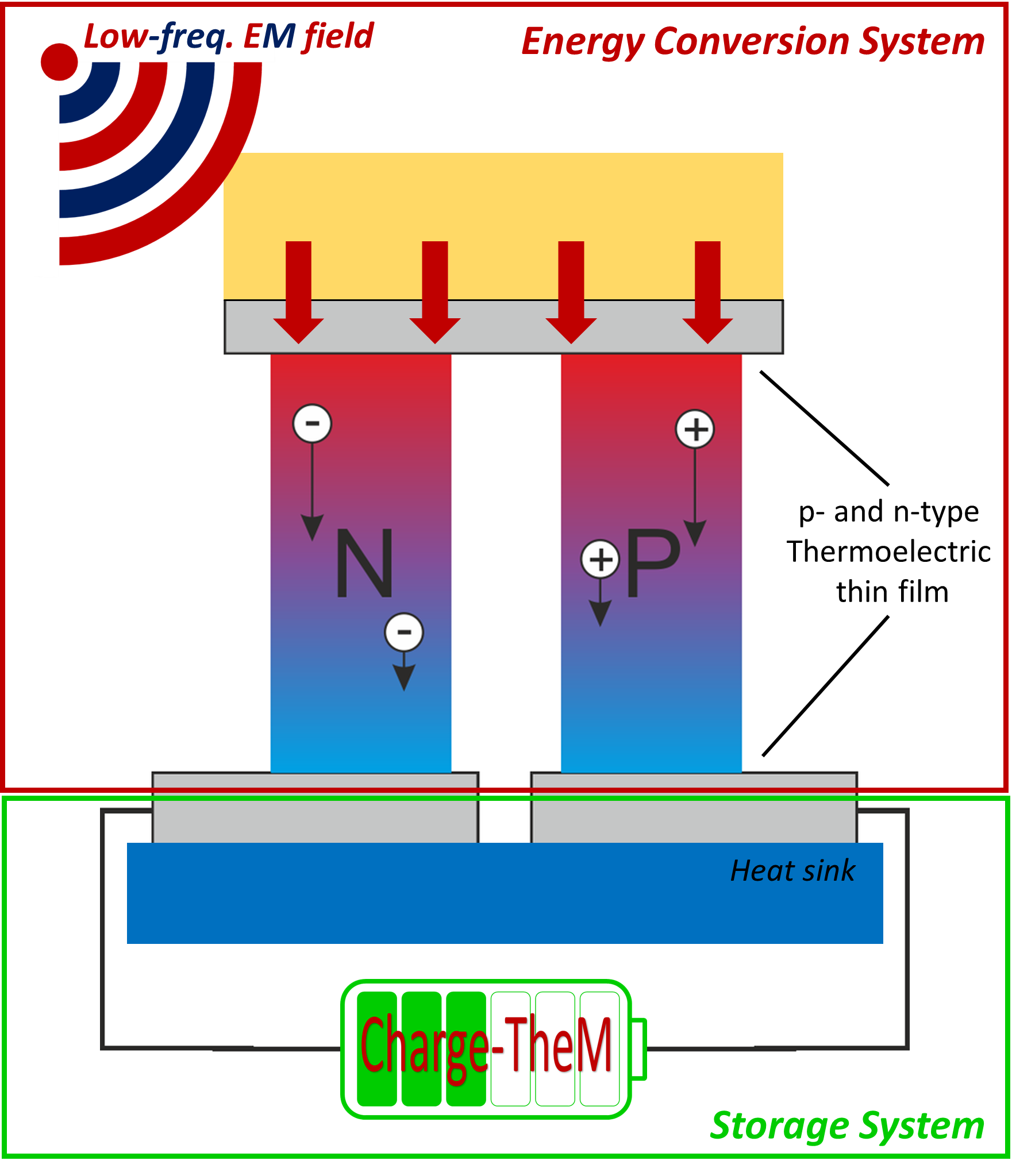
- Reference: FYP2021 ChargThem
- PI: Pablo Guardia
- NN research team: Roger Morales, Xuesong Zhang
- Starting date: 16th June 2021
- Finishing date: 31th December 2023
- Funding: Frontier Interdisciplinary Projects (FIP) within the ICMAB-FUNFUTURE Severo Ochoa Programme
Short description: Batteries and capacitors are key for developing long lifetime off-grid devices. When the latter are hermetically encapsulated, plug-in solutions are not available and after battery or capacitor depletion the device has to be disposed or charged by a wireless power charging solutions. Electromagnetic (EM) wireless power transfer (WPT), and in particular inductive coupling, have been widely exploited for contactless charging. However, its deployment relies on high-frequency EM waves, bulky coils, and bulky energy-storage systems. This avoids the implementation of EM WPT to applications in which micron size devices or low frequency EM fields are required. A clear example are implantable medical devices (IMDs) were EM WPT are key for avoiding device replacement. Despite the efforts devoted for developing novel WPT technologies, EM WPT are still the most exploited ones and hence the miniaturization of IMDs as well as its location inside the body are limited. Charge-TheM proposed a ground-breaking idea exploiting magnetic induced hyperthermia (MH) and thermoelectricity for novel WPT technologies. On one hand, MH is able to transform low-frequency EM waves into thermal energy. On the other hand, thermoelectric materials are able to convert temperature gradients (ΔT) into electric power. The combination of MH and TE materials for EM WPT is able to overcome the current limitations while boosting its deployment in several applications.
- Title: Resynchronization of Cardiac beating using polypyrrole composites and the in vivo C. elegans platform (FIP BEAT)
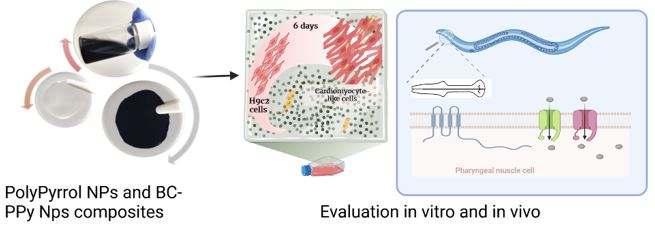
- Reference: FYP2020 BEAT
- PI: Anna Laromaine
- NN research team: Sumithra Srinivasan, Amanda Muñoz
- Starting date: 1st September 2020
- Finishing date: 31st December 2023
- Funding: Severo Ochoa Program-ICMAB
- Collaborators: IDIBELL, Univ Valladolid, IBEC and Zecardio
Short description: Cardiac arrhythmia (CA) is a disorder characterized by an irregular heartbeat, caused by improper propagation of cellular impulses, and it affects 40% of people with heart problems. Under normal conditions, the heart muscles have an inherent electrical conductivity that allows a synchronized heart rhythm.BEAT will develop cardiac biomaterials to be used as adjunctive therapy to bypass cardiac arrhythmia and resynchronize the cardiac pulse.A combination of biopolymers will be used, polypyrrole (conductive biopolymer) and bacterial cellulose (biocompatible and flexible polymer), to build conductive and flexible three-dimensional composites, and the porous network will allow the absorption and release of current drugs. With this biomaterial, the electrical conduction of the myocardial tissue will be stimulated, and CA drugs will be released to help to recover from cardiac arrhythmia. Evaluation of those novel strategies will be performed in vitro in cells and in vivo in C. elegans.
- Title: A novel wireless charging technology based in Thermoelectric and Magnetic nanomaterials (ChargeTheM)
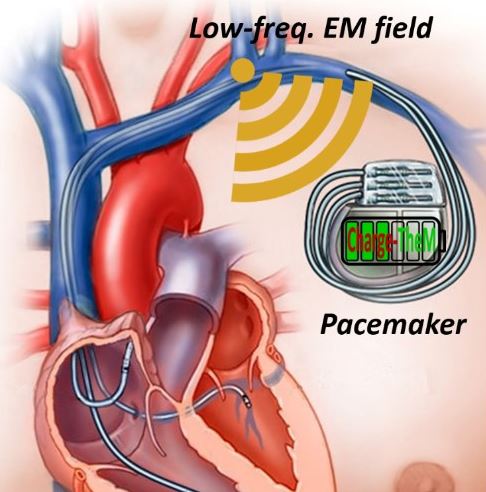
- PI: Pablo Guardia
- NN research team: Xuesogn Zhang, Allan Lancezeux
- Starting date: 1st December 2021
- Finishing date: 31st July 2023
- Funding: Generalitat de Catalunya. Departament de Recerca i Universitats
Short description: ChargeTheM project aims to explore a novel Wireless Power Transfer (WPT) technology beyond the state-of-the-art combining magnetic and Thermo Electric (TE) materials. In particular, ChargeTheM ground-breaking idea is to transform the energy of EM field radiations into voltage by combining magnetic induced hyperthermia (MH) with the TE effect. On one hand, the basic principle of MH is the conversion by magnetic materials of EM waves’ energy into heat. On the other hand, TE inorganic materials are able to produce open voltage circuits between 0.6 and 1.2 V for temperature gradients between 10 to 30 ºC. To that extent, ChargeTheM proposes exploiting the local heating provided by MH with the capability of TE materials to produce a voltage. The latter to be used to recharge batteries in encapsulated devices. This will be carried out by developing a magneto-thermoelectric nanocomposite multilayer. Compare to the WPT’s current state-of-the-art, ChargeTheM technology will provide power transfer through small reviving systems and under low-frequency EM fields. This clearly overcomes the current limitations for EM WPT allowing the development of novel micron size encapsulated Implantable Medical Devices.
- Title: Millimeter-wave assisted magnetization switching in high anisotropy epitaxial ferrite films (mmWAMS)
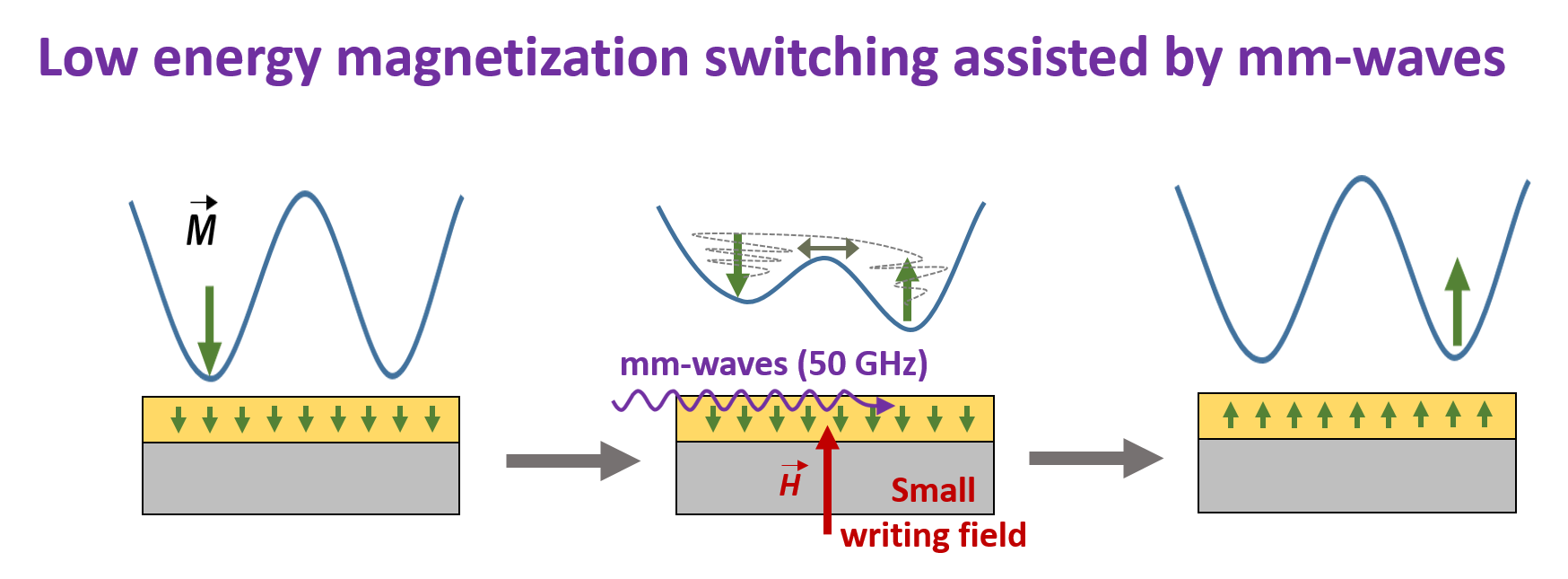
- Reference: 2021 LLAV 00095
- PI: Martí Gich
- NN research team: Ana Vila, Nico Dix, Martí Gich
- Starting date: 12th October 2022
- Finishing date: 11th July 2023
- Funding: Generalitat de Catalunya. Departament de Recerca i Universitats
Short description: Improving the energy efficiency of computing is mandatory for making sustainable the exponential rise of data processing and storage. A critical step to confront this challenge is developing novel, fast, low-dissipative and ultrahigh density magnetic recording media for future data centers. Magnetic materials with large coercive fields still remain the main pillar in the development of new memories, but its high anisotropy which is good for increasing the information storage capacity also make it difficult to write the information. To solve this problem one can take advantage of a well-known phenomenon: when magnetic resonances are excited in a material the external field required to reverse its magnetization decreases significantly. The aim of the project is exploring the use of this strategy in ferrimagnetic oxides with magnetic resonances in the range of millimetre waves.
- Title: New neurovascular remodelling strategies for neurorepair after stroke
- PI: Anna Rosell Vall d’Hebron Research Institute coordinator, Anna Roig PI ICMAB
- Starting date: 1st January 2020
- Ending date: 1st December 2020
- Funding Agency: Call for Expression of Interest (EoI) for Collaborative Projects on Regenerative Medicine 2019
- Title: AGAUR-PROJECTE Llavor (Cornea-BC)
- PI: Anna Roig
- Starting date: 1st September 2020
- Ending date: 1st May 2021
- Funding Agency: Generalitat de Catalunya
- Title: AMPLIANDO EL ALCANCE DE APLICACIONES DE COMPUESTOS DE CELULOSA BACTERIANA (RISE-BC)
- PI: Anna Laromaine
- Starting date: 1st January 2019
- Ending date: 30th September 2022
- Funding Agency: Ministerio de Ciencia, Innovación y Universidades
- Title: Synthetic nanoparticles as an innovative treatment for sepsis (SPRINT-4-SEPSIS)
- PI: Anna Roig
- Starting date: 1st January 2019
- Ending date: 1st December 2021
- Funding Agency: XIX Concurso Nacional Ayudas Fundación Ramon Areces